The Road's Embrace Is Unavoidable
Some pictures and words about the place. It's right out there.

“Whenever I find myself involuntarily pausing before coffin warehouses, and bringing up the rear of every funeral I meet; and especially whenever my hypos get such an upper hand of me, that it requires a strong moral principle to prevent me from deliberately stepping into the street, and methodically knocking people’s hats off,” Ishmael said, at the start of a whale novel, “then, I account it high time to get to sea as soon as I can.”
For us, at high time, it’s always been to get out to the American roads and highways that used to get everyone in a car from one place in America to another place until Eisenhower laid down a web of interstates designed to get you out town just before the mushroom cloud rises over your downtown, which correlatively created an obsolete, deteriorated, nation-spanning artery-clogged network of furious male drivers caught in the seventh circle of backup hell, and there haven’t even been any mushroom clouds yet.
Seriously, you have no idea how much empty asphalt is out here to use a car on. A few days ago we drove a 20-mile stretch of somewhere in a Southern state on a highway that had two lanes going each way, and a median, and a basketbowl arena, and there were entire stretches where there were no other cars, either way. For five actual minutes we had an entire highway to ourselves. I could have gone 110 mph, or 10, it would have made no difference. No one was out here.
I’m not saying that people who have to get from Birmingham to Montgomery on a time schedule shouldn’t seek out the ramp to controlled-access Interstate-somethingnumber to do their driving. But I would like to thank them for leaving America to us.
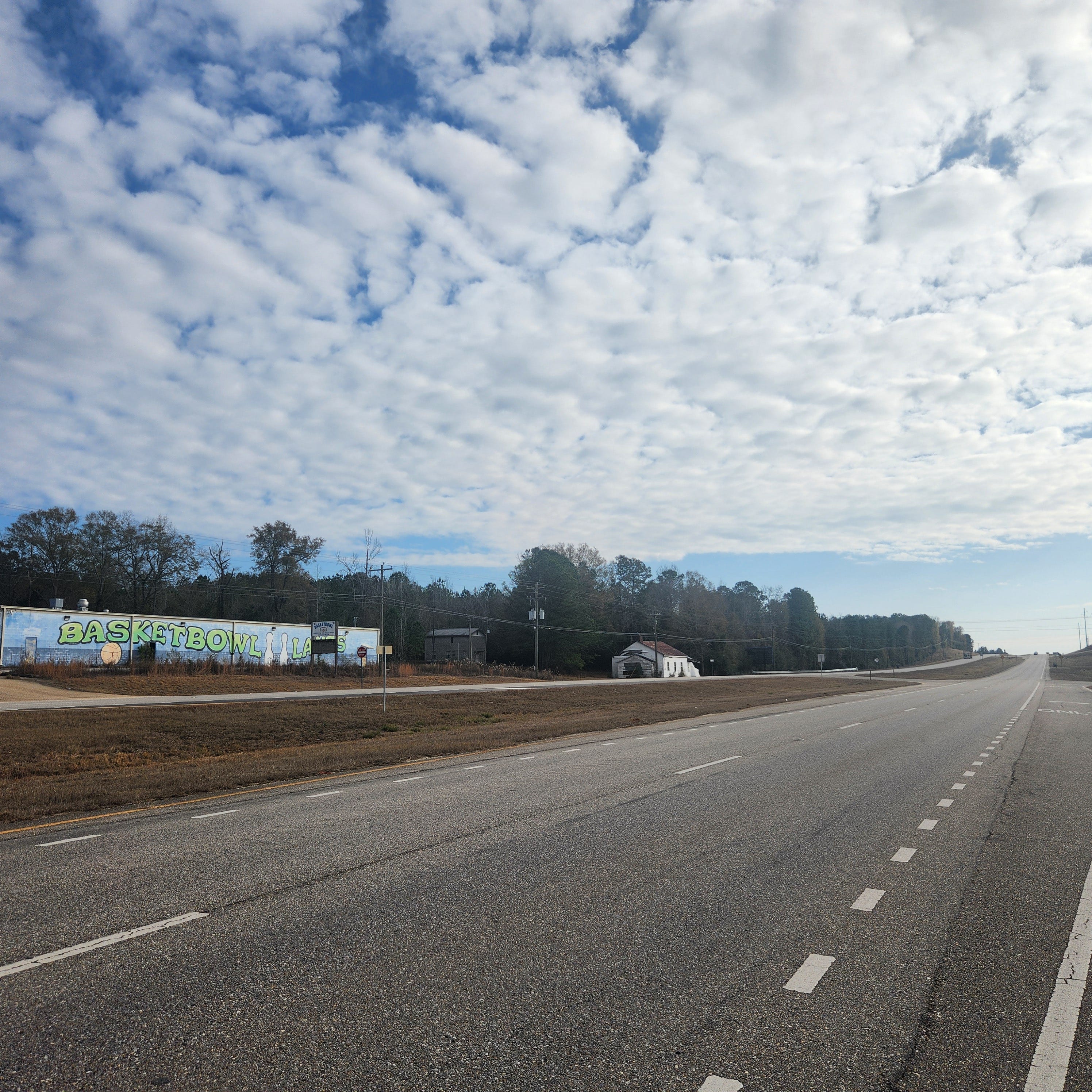
The obvious upside to backroad odysseys if you’re old is the time-warping aspect of the odyssey. Prowling deserted state and county highways for thousands and thousands of miles (we covered 22,000 last year) is always like visiting an ever-changing museum exhibit called “Former America,” only there’s no admission fee or other annoying people on the tour who ask stupid questions so they can be heard even though the guide is clearly annoyed at their stupidity.
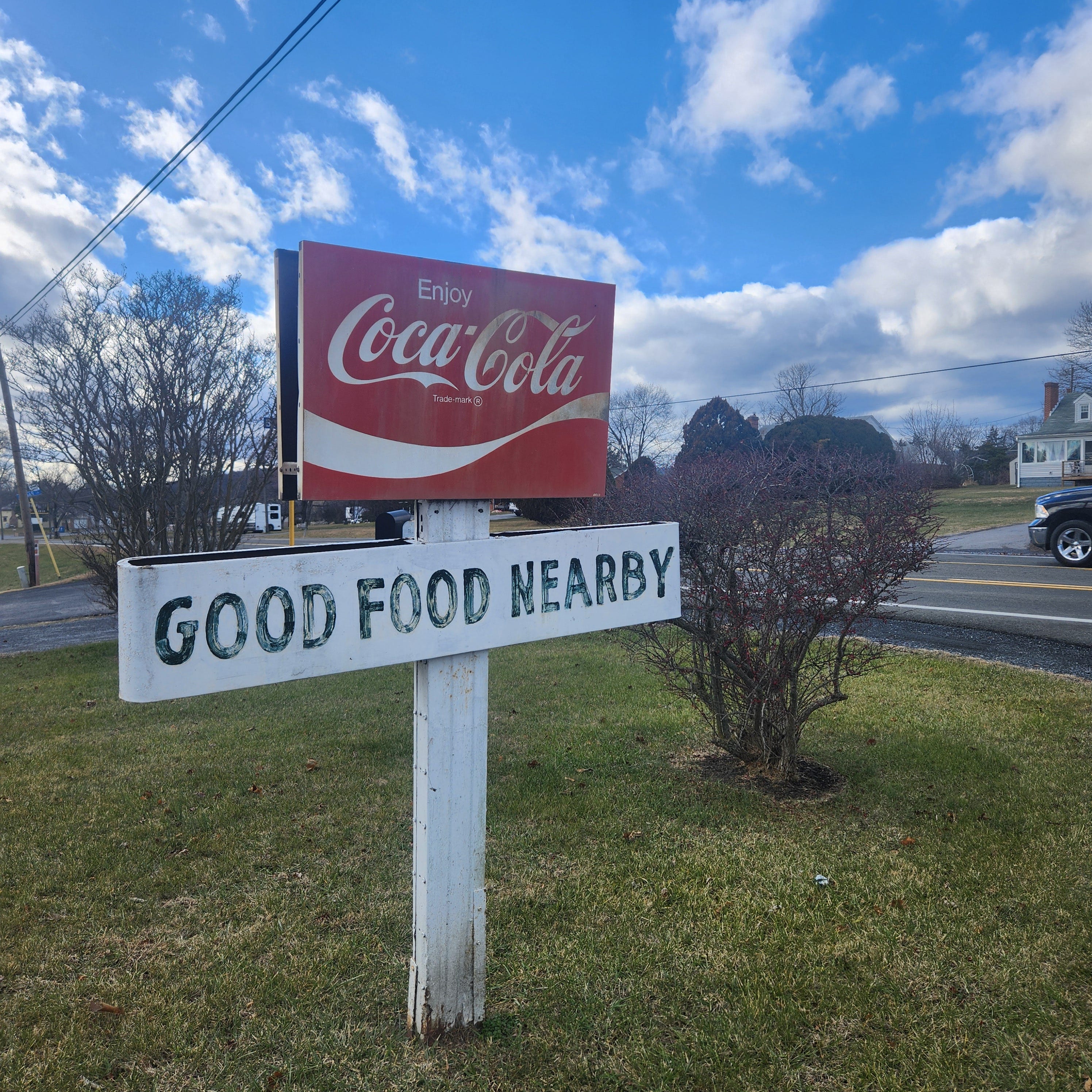
If you make this annual odyssey a habit, it’s as if every town and village at every crossroads becomes an exhibit about old USA’s way of organizing its community, which is what we’re supposed to be about, right?
Which often means a theater. The ones that are still theater-ing are usually the ones on the town square surrounding a courthouse whose ornate architecture makes it clear where the county’s priorities have always lain.
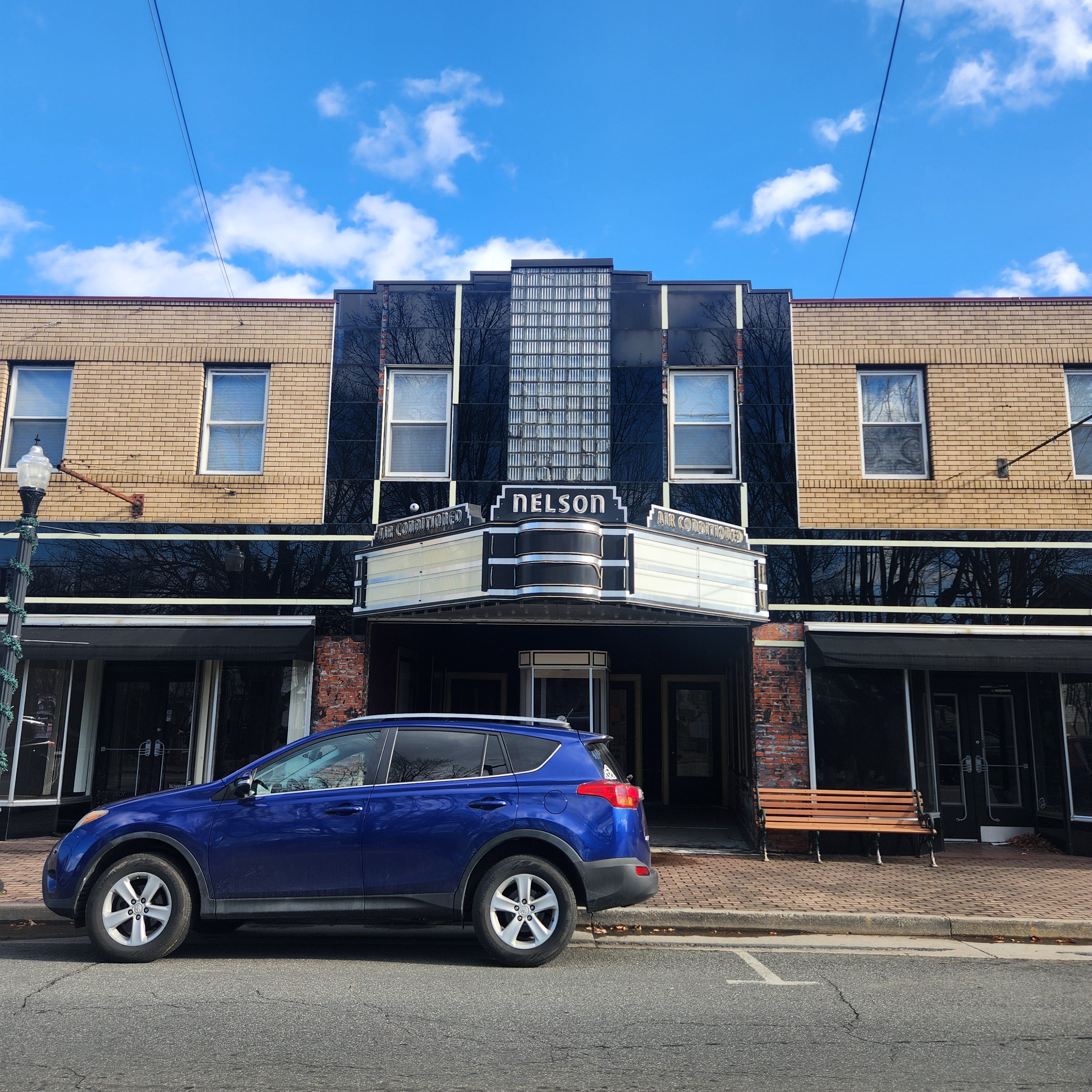
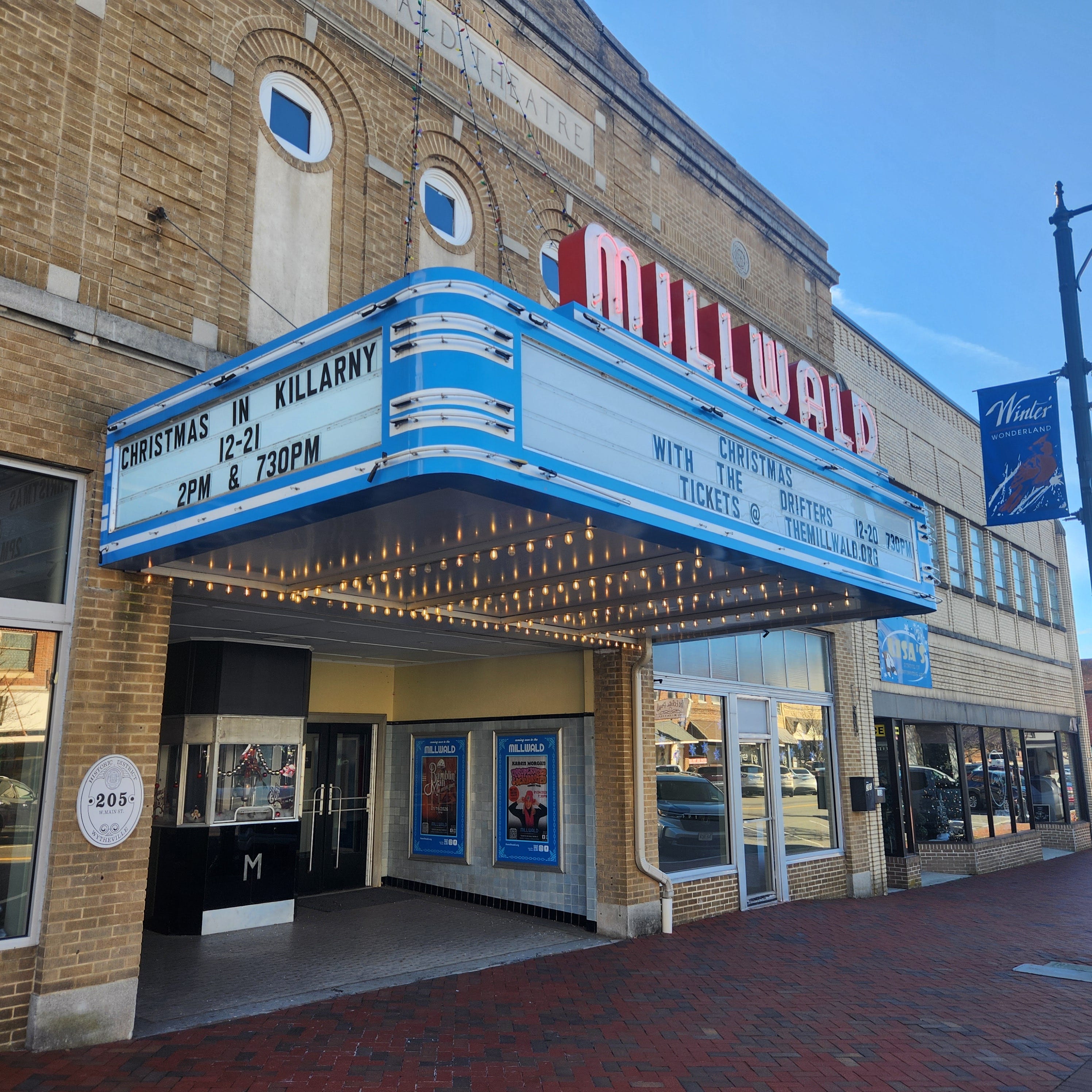
The remnants of how things were are everywhere out here, on every road, every street. For instance, back at one very particular pre-airplane American point, the rails and roads were obviously at war, because it seems as if every time we get lost, no matter which state we’re in, or how deep in its outback, we cross some rails, which remind us that when you rode trains from town to town you met people unlike yourself and you talked to them, hence Democracy, but now in cars and planes you don’t, and you’re poorer for it. Right?
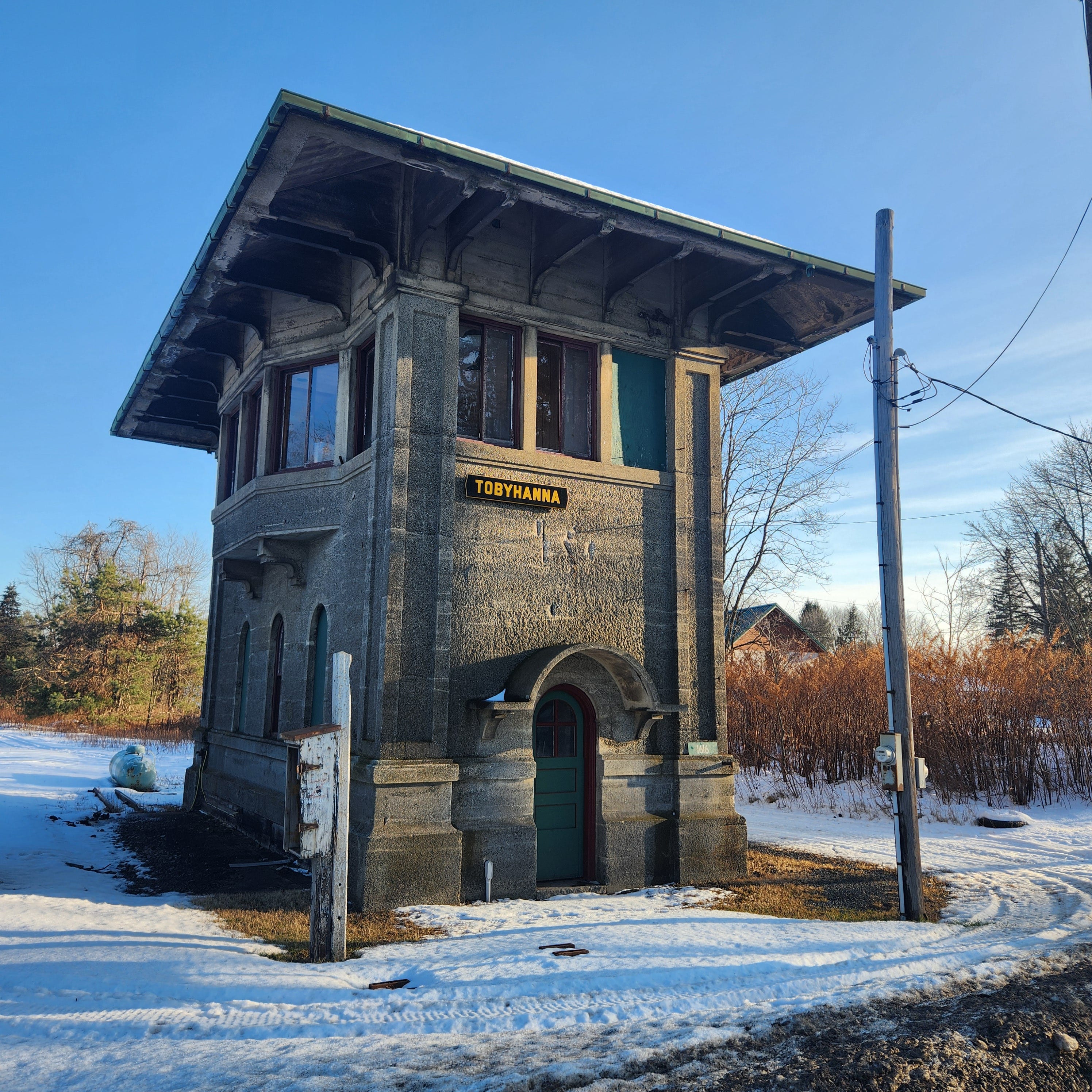
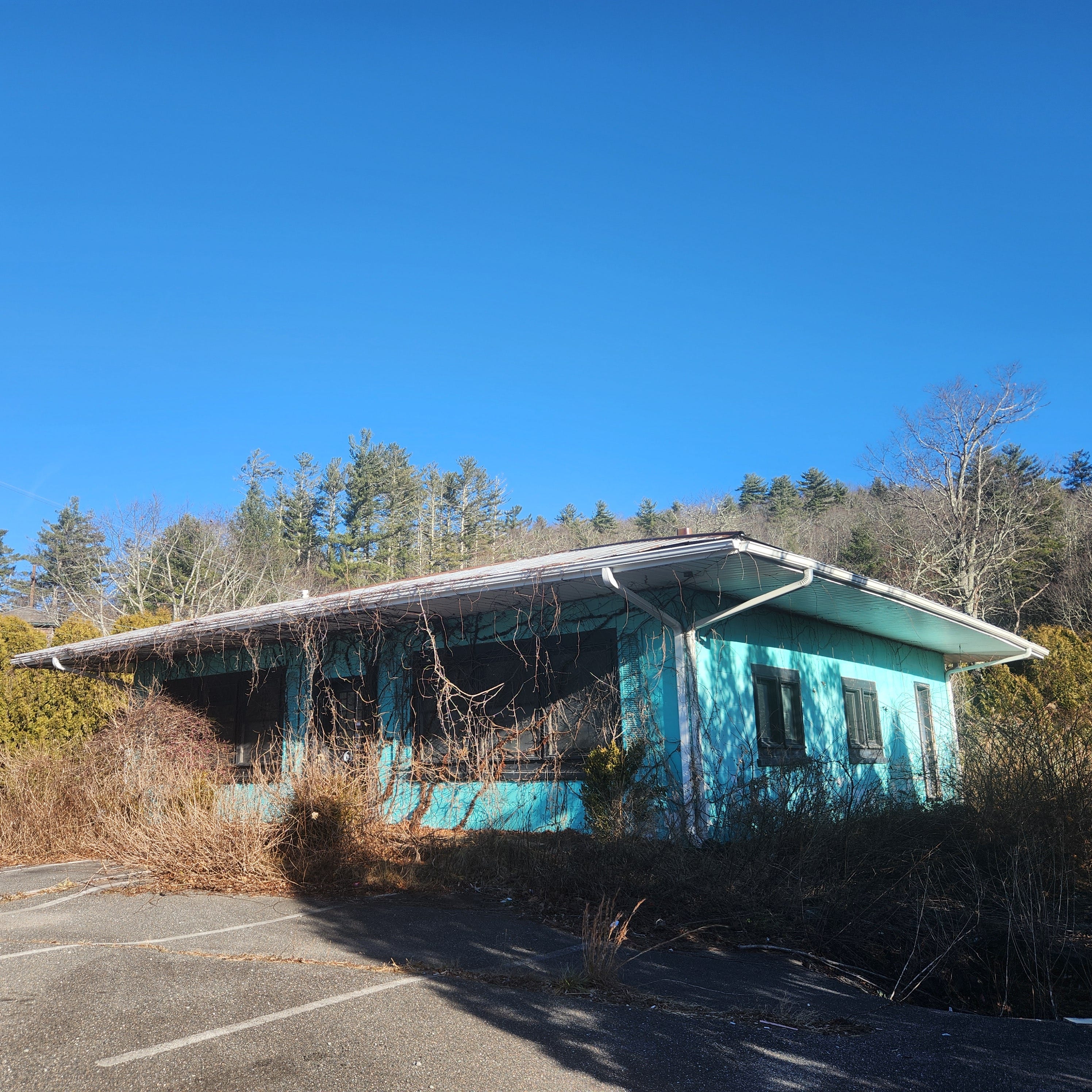
It isn’t even all that depressing when you come across examples of the entropy that inevitably set in after everyone moved to the cities, where the work was. Out here, Abandoned America gets to let out a sigh, and settle into the embrace of the native occupants: the plants!
*
More than anything, maybe what’s made us do this every year for the last 15 or so is the meeting people we’d never met and never will again, in parts of and places in America which we’ll likely never visit again, partly because we try to find most of them randomly. Sometimes we stumble across a town we’ve been through, more often not. Sometimes we come across someone selling tiger rugs by the side of the road.
In those moments where our worlds overlap with theirs, it’s just always fun to intersect with someone else’s life. How cool over all these years to meet hundreds of people with their own stories, then move on to hear the stories of a hundred more? This has to be a good way to get a real pulse, heartbeat, etc., of this land, right?
For instance, this is a young man in formal attire with a cool pocket handkerchief in a Starbucks on a Sunday morning in one state or another. Starbucks is not a place where people wear formal clothes, no matter what state or city. He was getting a latte before going to sing Christmas Carols with his singing group, in a classy-enough venue to demand of its singers proper dress. I’m guessing, since we’re in the Southern realms, a place of worship.

But this is a certainty: Pass through someone else’s world, stop and ask them how their day’s been, and they’ll be delighted to tell a small tale, or even a big one, partly because they’re sort of intrigued by how different you obviously are from them, but you’re super polite, so they feel comfortable.
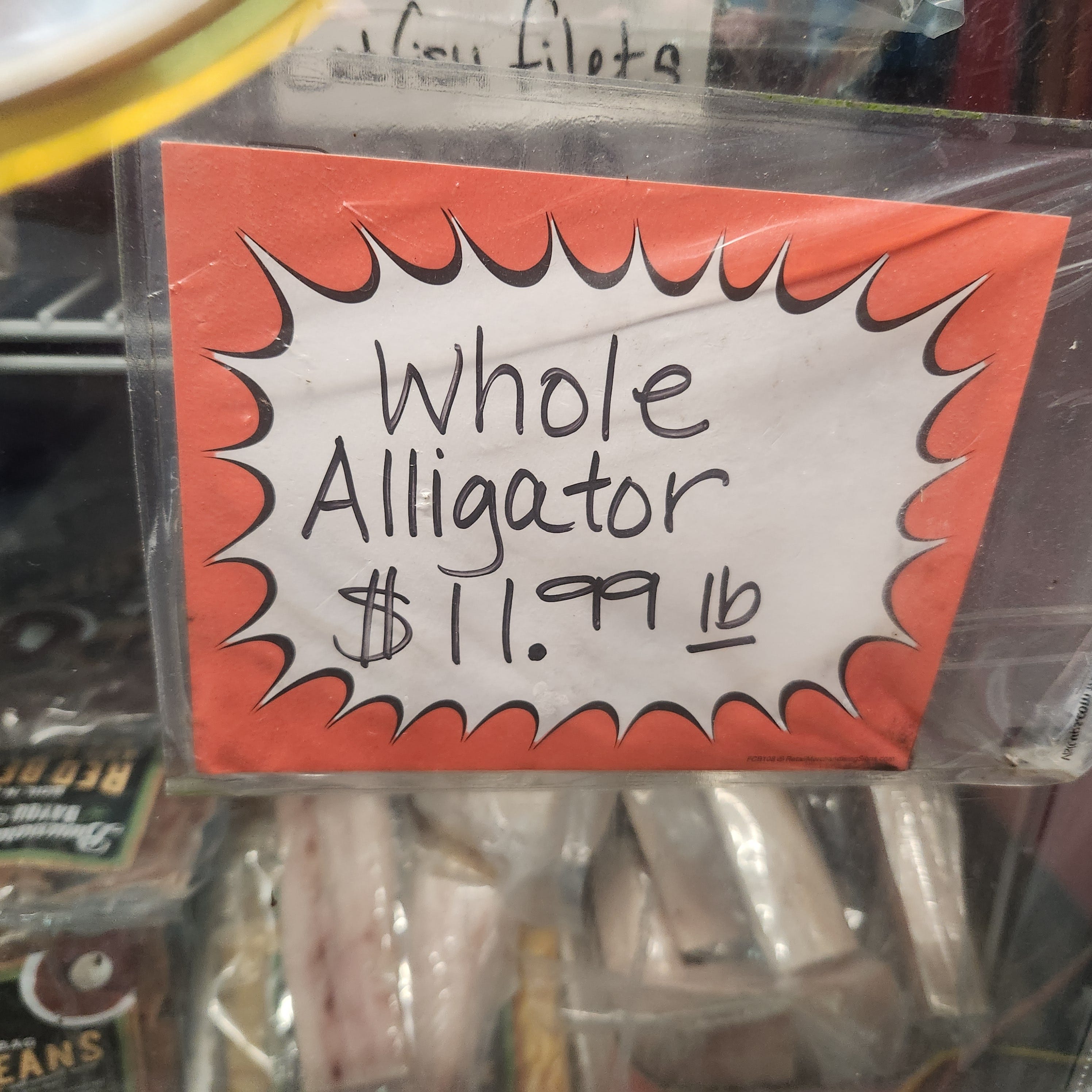
Usually it’s over a conversation involving things to eat. The farther South you go, the more people seem to like what they eat.
It’s not as if we take off heading nowhere. It’s always to a beach. This was today in Pensacola.

The one thing we know after all of these years is that American people are, more than by and large, wonderful people who have survived. Maybe if you collect them and connect them to one ideological pole, which they’ve been demanded to do, they become unreal as humans to you. And we to them. But in the meantime, looking back on the 75,000 miles of asphalt and pavement and brick (the original 10 miles of the Dixie Highway from Espanola, FL to Durell, stamped GRAVES BRICK CO) ) we’ve covered in the last 15 years, I’d have to say that there’s something worth saving, as long as you don’t drive on an Interstate. Really. Never drive on an Interstate. If it doesn’t kill you, it’ll drive you crazy.